
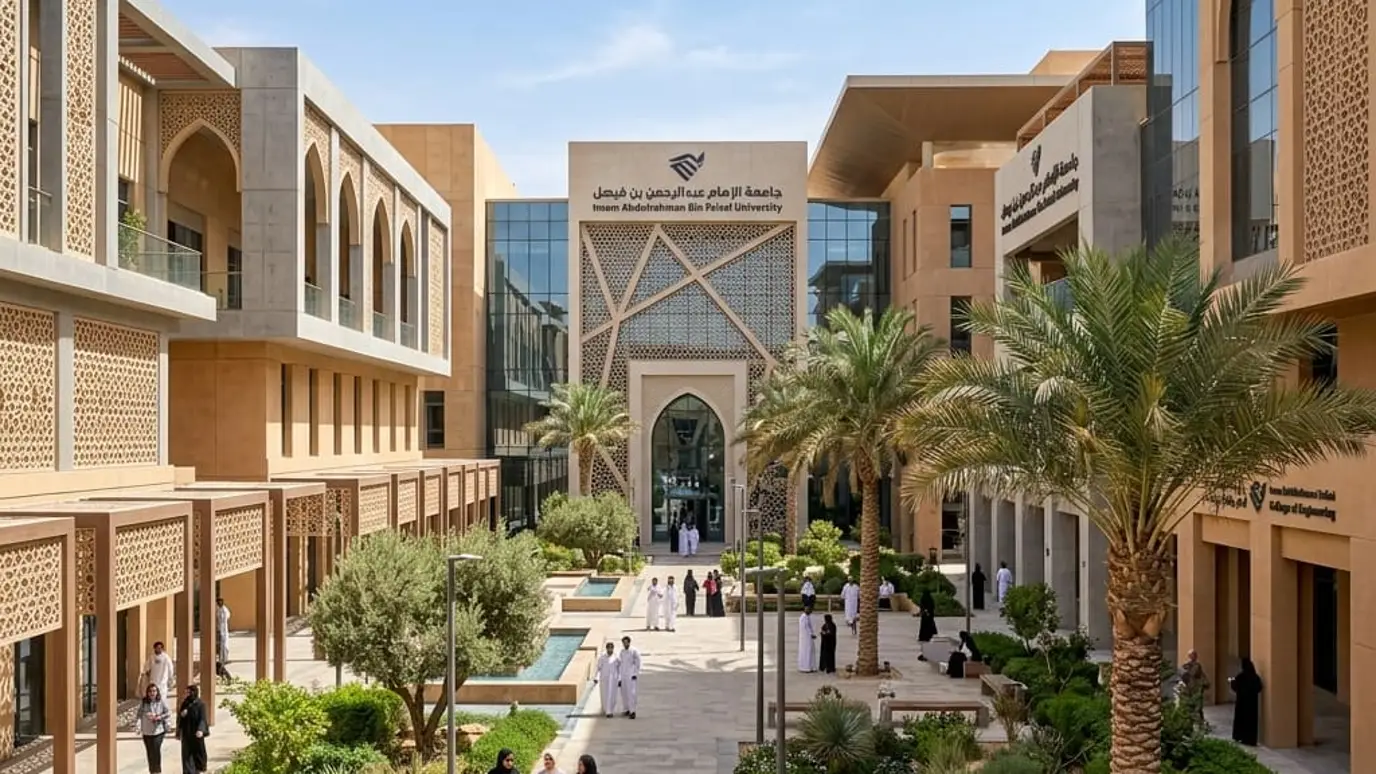
FM-200 fire suppression for university and school server rooms in Riyadh and Saudi Arabia
TALS supplies and installs FM-200 and clean-agent fire-suppression systems for campus data centres, server and network rooms and archives in universities and schools, in Riyadh and across Saudi Arabia.
Our in-house engineers design the system and calculate agent quantities to NFPA 2001 and ISO 14520, and we install, test and maintain systems across many buildings under one contract.
What we deliver
- Inventory of existing gas systems across the campus or school group, including old Halon and FM-200 systems.
- Design and agent quantity calculations by our in-house engineers, to NFPA 2001 / ISO 14520.
- Supply and installation from several international brands, with detection, release control panel and HVAC shutdown interface.
- Room integrity (door fan) test, repeated after renovations or new openings in the room.
- Maintenance contracts covering many buildings, with a report for every visit.
- Cylinder refills for the systems we installed, after a discharge or when weight or pressure drops.
- Replacement of old Halon and FM-200 systems.
The official requirement
«١. يجب ان تشمل تجهيزات الحماية من الحريق نظام كامل للإنذار الآلي والاطفاء التلقائي بإستخدام غاز الهالون أو الغازات المغمده المناسبه التي لا تحدث تلفيات بالمكان نتيجة الاستعمال.»In short: fire protection in an information centre must include a complete automatic alarm and automatic extinguishing system using halon or suitable flooding gases that do not damage the space.
Source: Saudi Civil Defense, Fire Safety Regulation for Information Centres, Article 14, item 1, p.6
«يجب صيانة نظام الإنذار من الحريق وأنظمة الإطفاء بحيث تعمل بشكل مستمر في جميع الأوقات. (901.6) … الأنظمة النظيفة (904.10)»In short: fire alarm and extinguishing systems must be maintained to work at all times, and "clean systems" (SBC 801 §904.10) are listed among the alternative systems.
Source: Saudi Civil Defense, Educational Buildings Requirements Guide (Group E), 1443H, p.26
Sector specifics
- Typical rooms: campus data centre, core network rooms, research computing halls, rare-book stores and archives, exam-records rooms.
- When the information-centre regulation applies: it defines a "centre" as a place holding data on computers and their media, such as magnetic disks or microfilm. A university or school server room can fall under that definition.
- Usual agent: FM-200 (HFC-227ea) or FK-5-1-12 for server and network rooms, which cannot take water or downtime. Large halls and archives may suit inert gas because of their size.
- Labs and reading halls: we found no gas-system clause in the Civil Defense labs regulation, and the public-libraries regulation calls for automatic water sprinklers in the library. So we propose gas only for specific rooms, not whole buildings.
Questions procurement teams ask
Does a university server room need gas suppression?
If it meets the "centre" definition in the information-centre regulation, Article 14/1 calls for automatic alarm and automatic extinguishing with halon or suitable flooding gases that do not damage the space. Civil Defense decides whether the regulation applies to each site.
Do school science labs need FM-200?
We found no clause requiring it in the Civil Defense regulation for labs and laboratories. Gas remains an option for special instrument rooms, at the owner's choice.
Which code section covers clean-agent systems in educational buildings?
The Civil Defense guide for educational buildings (Group E) lists "clean systems (904.10)" from the Saudi Fire Code SBC 801 among the alternative systems that must be maintained.
Who is responsible for inspection and maintenance?
In information centres, the regulation makes the facility's responsible person liable for monthly checks and three-monthly tests (Article 6). Installation and periodic maintenance must be done by a specialised, approved technical party, with a practical test after installation witnessed by the competent authority (Article 14/3).
Why retest room integrity after a renovation?
New openings in walls or ceilings can weaken the room's ability to hold the agent. Secondary sources report that NFPA 2001 requires the protected enclosure to be inspected at least every 12 months.
Can several buildings go under one maintenance contract?
Yes. Our maintenance contracts can cover gas suppression systems across several buildings, with a report for every visit.